Carlo Coleman · 6 September 2026
How Precision Targeting Mechanisms Drive Content Monetization for Independent Creators in Underserved Digital Ecosystems
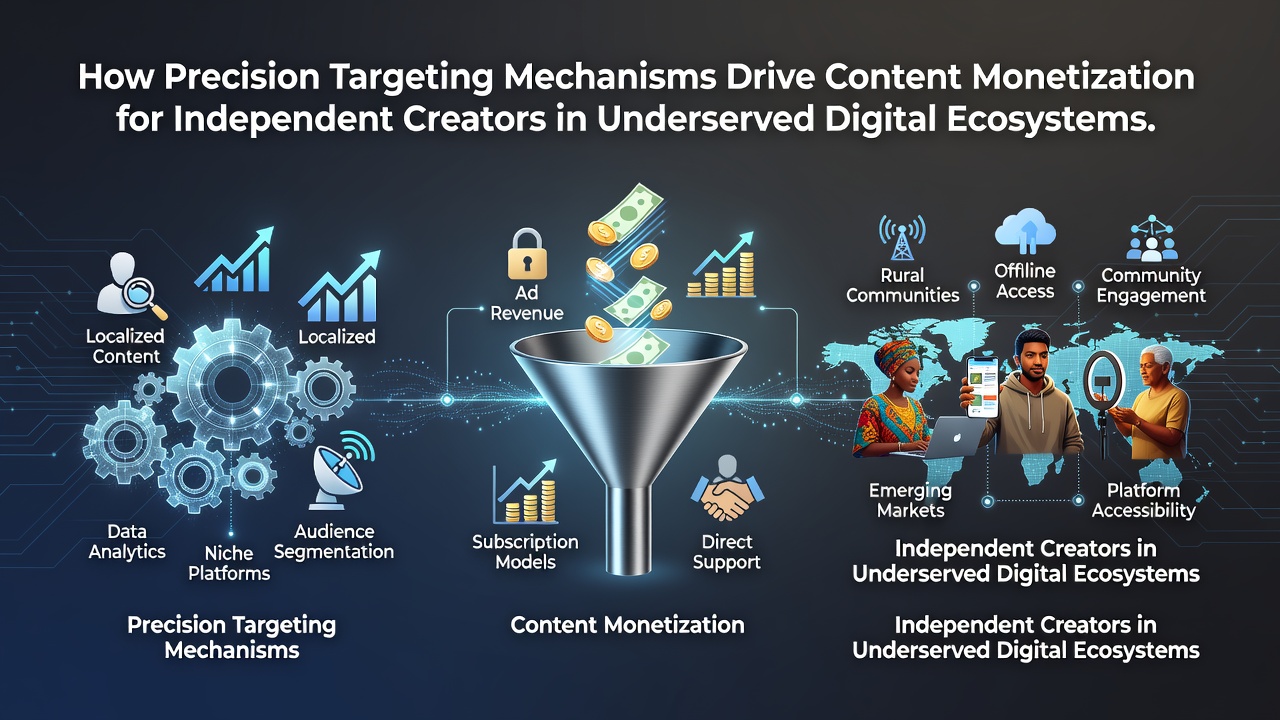
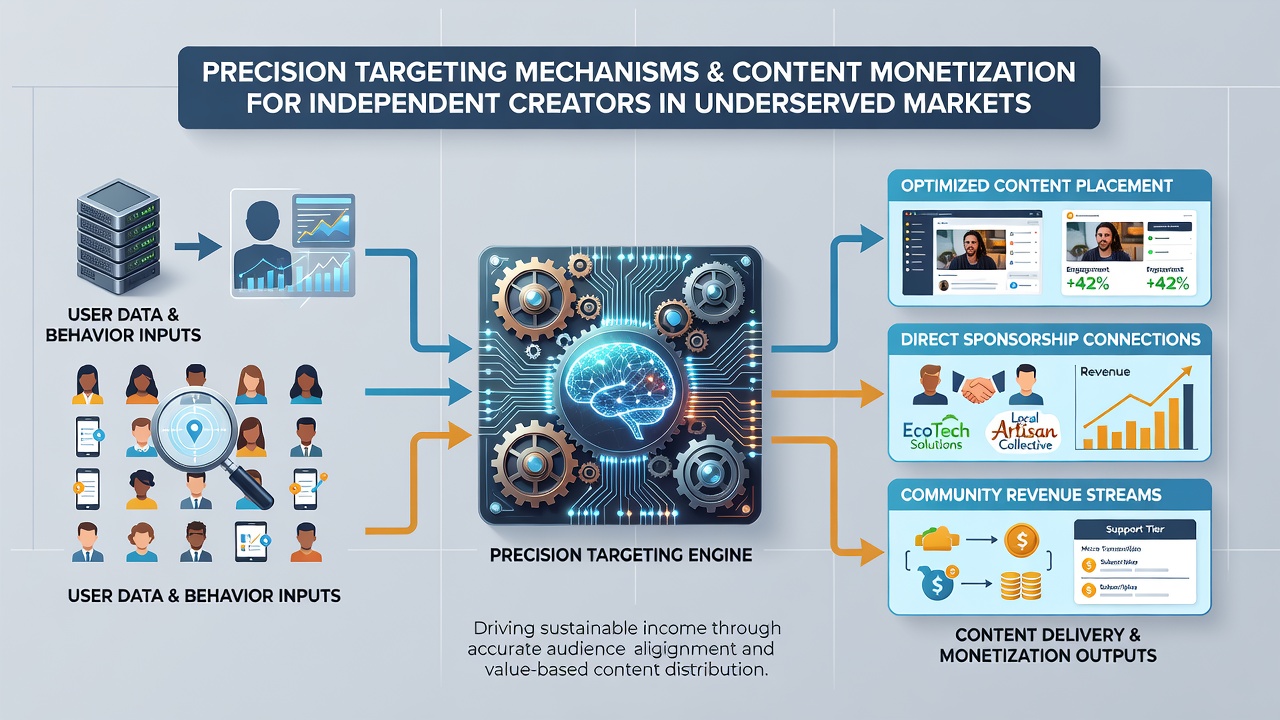
Precision targeting mechanisms rely on layered data inputs that include user behavior patterns, device signals, and content interaction metrics to match independent creators with specific audience segments, and this process has expanded revenue opportunities in regions where traditional advertising networks remain underdeveloped. Observers note that platforms deploy machine learning models to analyze engagement signals in real time, allowing creators in rural areas of Southeast Asia and sub-Saharan Africa to reach viewers who share narrow interests without relying on broad demographic blasts.
Core Components of Precision Targeting Systems
Algorithms process first-party data from video completion rates, comment sentiment, and session duration while incorporating third-party signals such as search history and location-based trends, yet the systems also integrate contextual cues from the content itself to refine matches further. Researchers at academic institutions have documented how these combined inputs reduce wasted impressions and increase conversion rates for sponsored placements, which directly affects payout structures for creators operating outside major urban centers. Data from multiple platform reports indicate that creators using granular segmentation tools see average revenue per mille rise by double-digit percentages compared with those relying on generic distribution methods.
Monetization Pathways in Emerging Markets
Independent creators in underserved ecosystems gain access to tiered ad inventories that include in-stream placements, branded content overlays, and affiliate links calibrated to local purchasing power, and these options scale according to audience density rather than requiring large follower counts. One study revealed that creators in secondary cities across Latin America who activated location-aware targeting captured sponsorships from regional e-commerce brands that previously concentrated budgets on capital-city audiences. The mechanisms also support micro-transaction models where viewers purchase digital goods or exclusive updates, turning niche loyalty into recurring income streams without intermediaries that traditionally take large cuts in mature markets.
Platforms have adjusted recommendation engines to surface long-tail content more effectively, which helps creators in low-density internet zones maintain consistent viewership even when overall traffic volumes stay modest. Figures from industry analyses show that watch-time optimization loops feed back into higher ad fill rates, creating a cycle where sustained engagement unlocks premium rate cards for smaller channels.
Role of Data Infrastructure and Access Equity
Underserved digital ecosystems often lack robust payment rails and high-speed broadband, yet precision targeting tools adapt by prioritizing offline-first analytics and lightweight SDKs that function on 3G networks common in many developing areas. According to reports published by the OECD, improved data collection methods have enabled more accurate audience mapping in regions with intermittent connectivity, allowing creators to demonstrate value to advertisers who once overlooked these markets. Canadian regulatory filings on digital platform transparency further illustrate how standardized reporting requirements encourage platforms to disclose targeting criteria, which in turn helps creators understand and optimize their positioning.
Case examples from Southeast Asian creator collectives show that when platforms introduced language-specific keyword clusters and cultural context filters, monetization eligibility thresholds dropped, opening ad programs to accounts with fewer than ten thousand subscribers. Those who studied adoption patterns found that creators combining local-language metadata with behavioral signals achieved faster approval for revenue-sharing features than peers using only translated English tags.
Regulatory and Platform Developments Through 2026
Policy updates scheduled for implementation in September 2026 across several jurisdictions aim to standardize consent frameworks for behavioral data used in targeting, and these changes are expected to affect how creators in emerging markets access detailed analytics dashboards. European Commission documents on the Digital Services Act outline requirements for algorithmic accountability that may increase visibility into why certain content receives promotional priority, potentially benefiting smaller creators who compete against established accounts. Industry observers track similar discussions in Asia-Pacific forums where governments examine ways to balance creator monetization incentives with user privacy protections.
Conclusion
Precision targeting mechanisms continue to reshape revenue distribution by connecting independent creators in underserved ecosystems with relevant audiences and advertisers through data-driven matching, and ongoing infrastructure improvements plus regulatory refinements support broader participation. Evidence from platform metrics and cross-regional studies demonstrates measurable lifts in engagement and payouts when segmentation tools account for local conditions rather than applying uniform global defaults. Creators who integrate these systems into consistent content strategies position themselves to capture value from previously inaccessible advertiser pools while platforms refine the underlying models to sustain growth across diverse connectivity environments.